ABOUT THE MIDWIVES
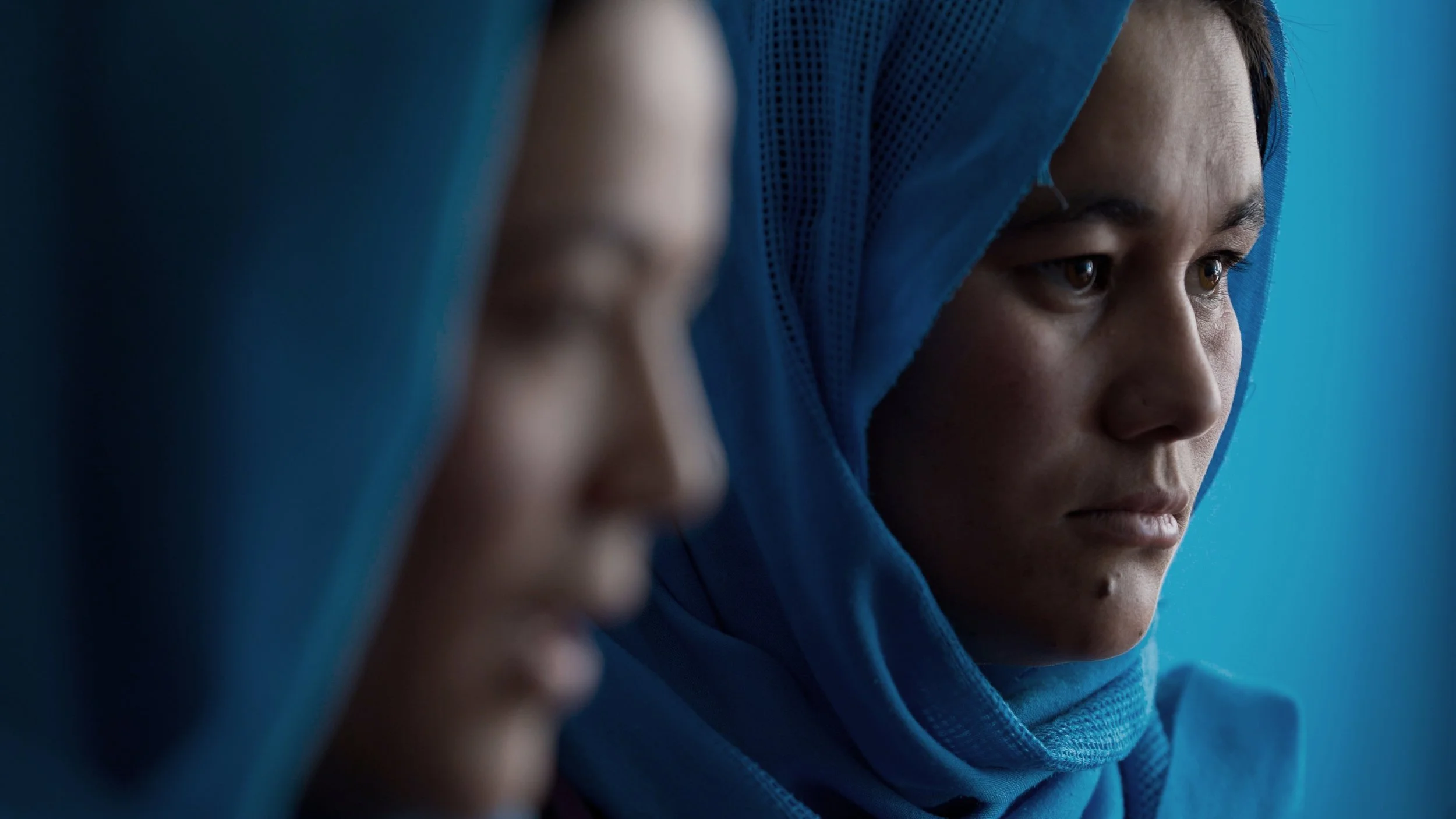
GULBADAN, Afghanistan
21-year-old Gulbadan’s patent leather shoes crunch into the slippery snow as she walks home to her remote mountainous village in the center of war torn Afghanistan. It is a trek she will make often as she enters her midwifery training program.
For two years she studies, then returns to her small village as a changed woman. Her success depends on learning the skills to catch babies, as well as navigating the volatile politics in her country. She must learn to operate in a country that’s been at war for the last 20 years, and manage a clinic in a village inaccessible by cars or trucks for half the year, without running water or electricity for much of the time. But her own personal pain of birth and loss drives her to keep going.
With the change in government, Gulbadan faces even more challenges as she fights to save the lives of women and their babies.
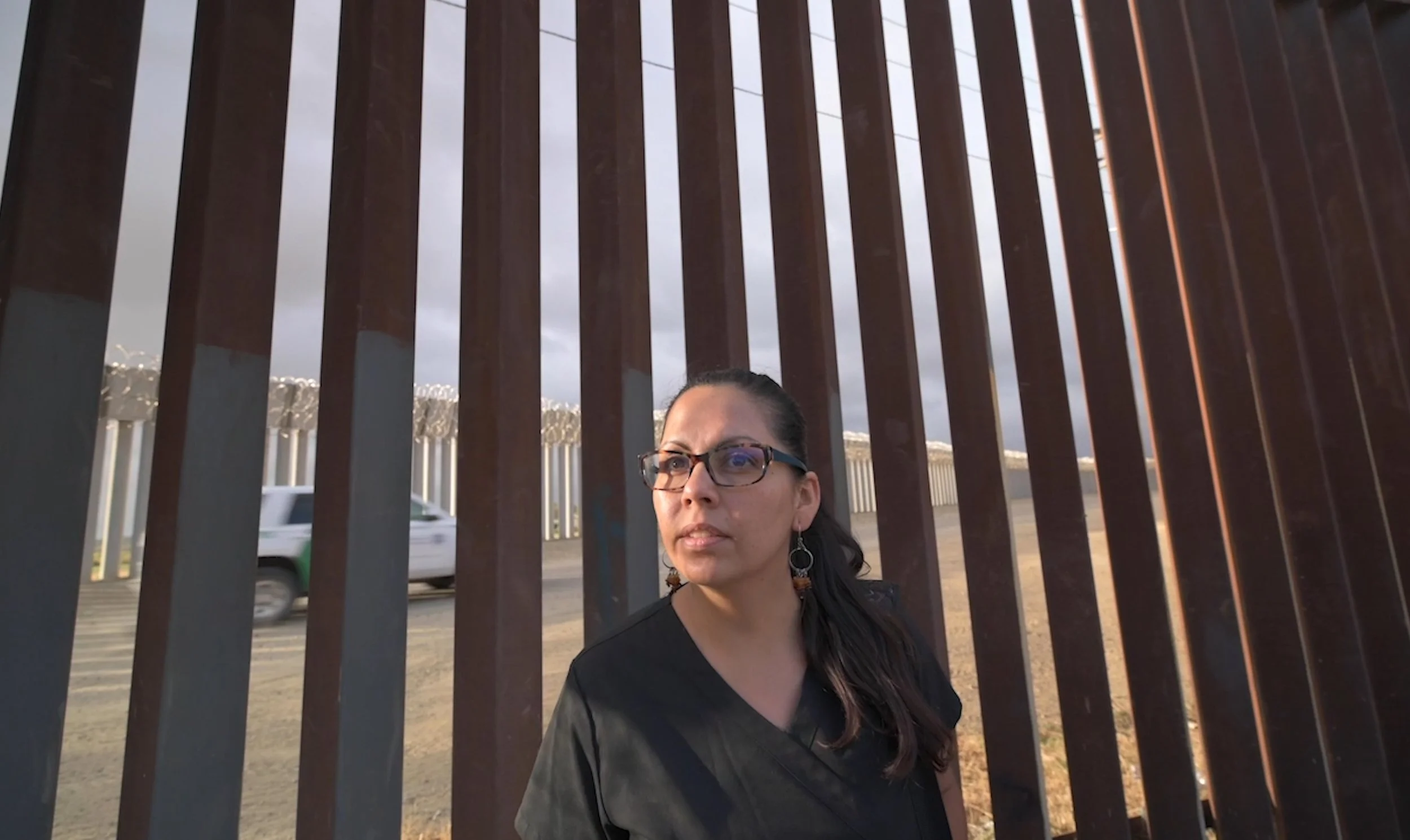
Ximena walks through the sea of multi-colored tents, searching for her patient. Fences and border guards surround the camp of nearly 1,500 migrants - hoping to cross the border from Tijuana into San Diego.
She finds Claudia, 8 months pregnant, and learns of the immense distance the young woman, now alone, has already traveled. Maria, along with her young son, waits in this turbulent purgatory between the promise of freedom and the trauma of escape
This is a violent place, especially for women, many of whom live in temporary shelters and tent camps and often face abuse, theft, and worse. She opened her clinic, Parteras Fronterizas (Frontier Midwives), to provide a caring environment for new mothers and to offer a more nurturing, holistic and loving birth experience amid the chaos of their lives.
XIMENA, Mexico
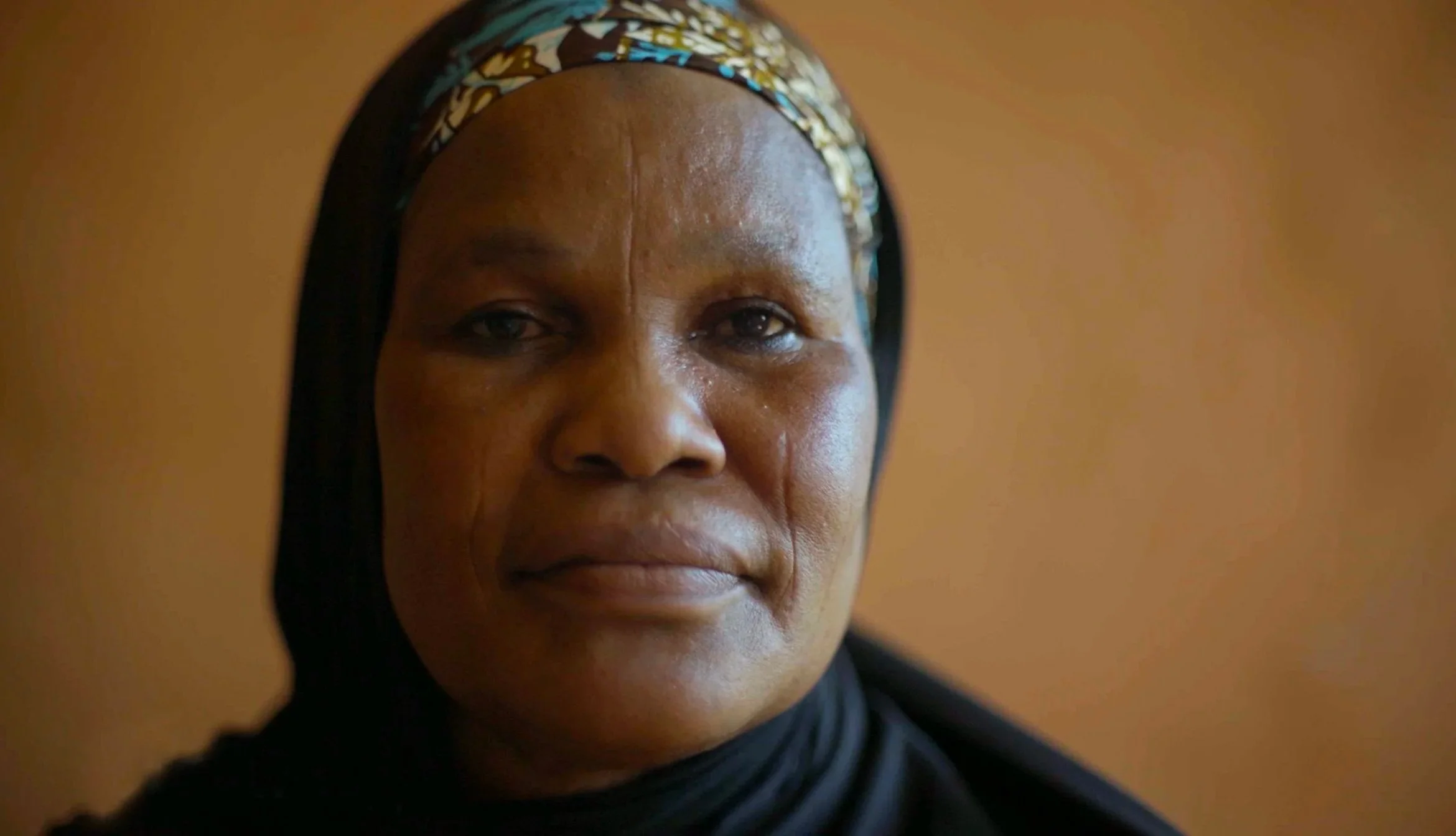
HAMSATU, Nigeria
Hamsatu declares with a laugh, ‘I have delivered thousands of babies and I am always ready to deliver them. I bring my gloves everywhere I go!’ Hamsatu helps pregnant women deliver their babies in Borno State, in Northeast Nigeria where Climate Change and armed conflict has wreaked havoc in the area.
Like millions in her country, she fled the violence for a time, and experienced her own losses, but returned to her small clinic to continue saving lives.
With hostage takings and violence on the rise, how will Hamsatu continue to help women give birth safely?
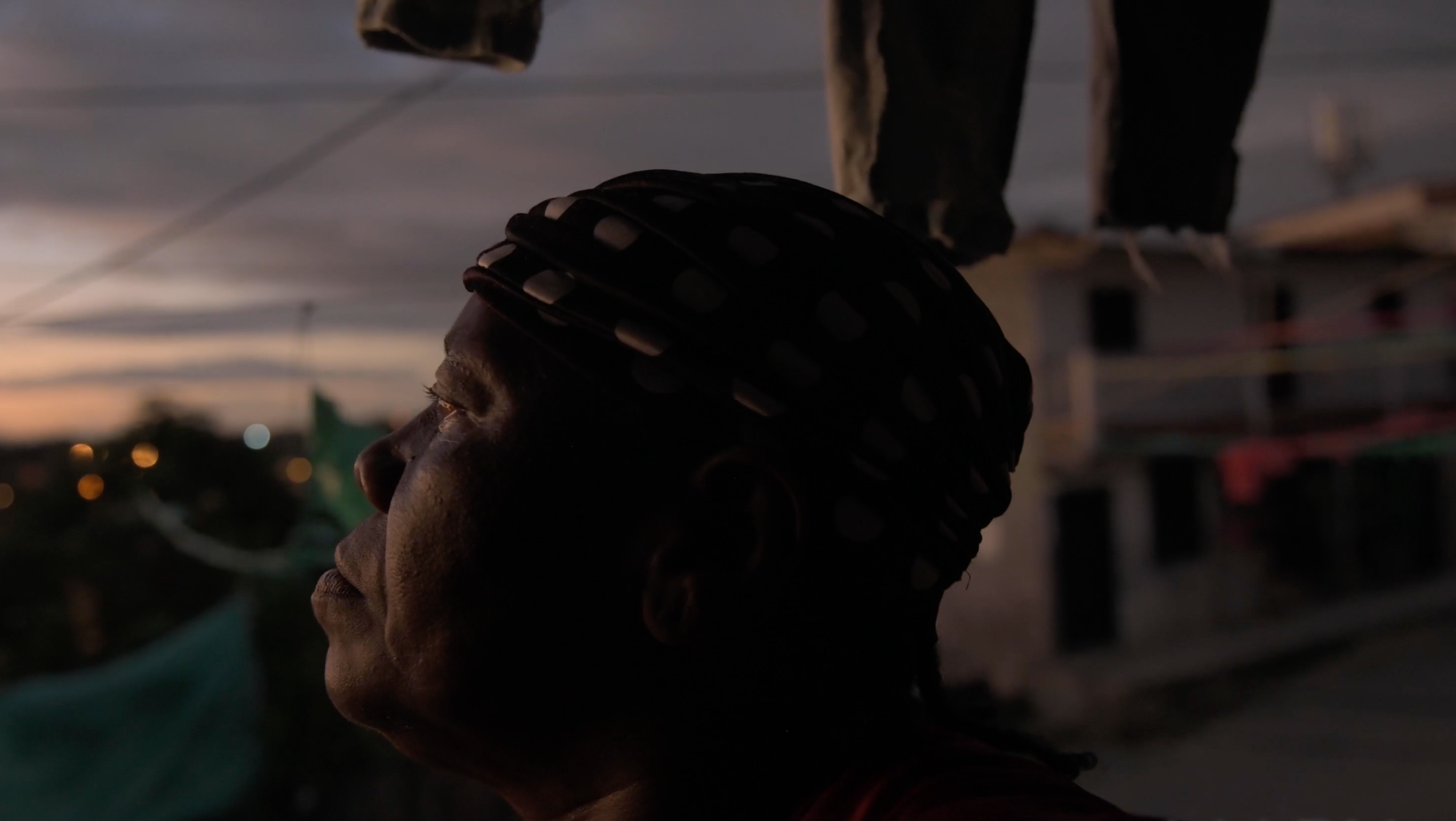
Maria plucks herbs around her barrio to make Tomaseca, a potent analgesic that helps heal a woman's womb and encourages the release of the placenta. She used to harvest from fields, but it is too dangerous to stray that far from the city.
Armed with only her kit bag, she navigates the streets plagued with the violence of the drug wars between cartels and gangs, to visit expecting mothers. The gang-territory is far too dangerous for the mothers to travel, and so Maria always comes to them. She is frequently stopped at gang checkpoints where they check her credentials, but she is always let through - her status recognized even among the most dangerous criminals.
MARIA, Colombia
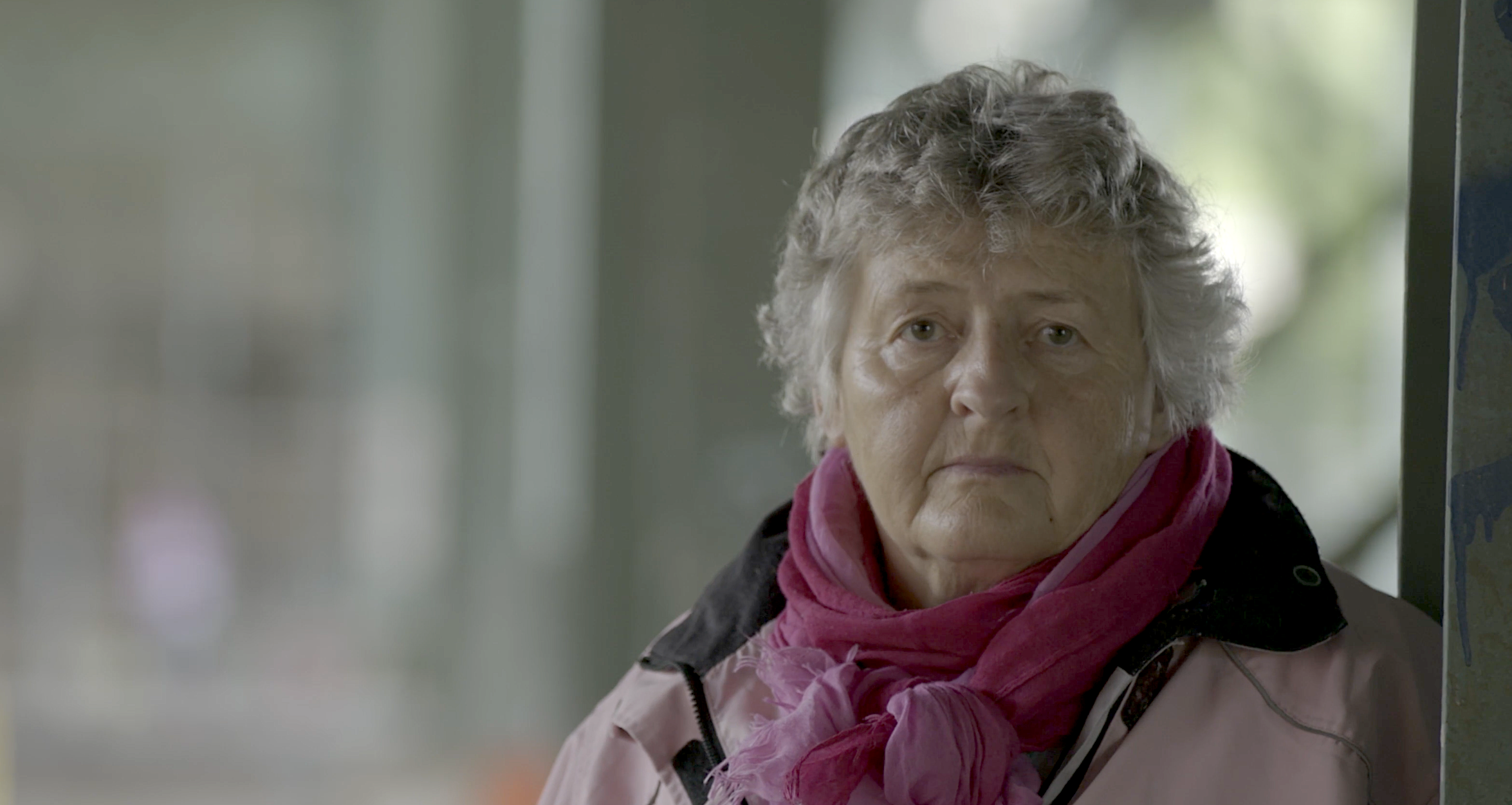
JAY, Canada
Patrolling back streets and ravines with her mobile midwifery bus, Jay forms deep bonds with the unhoused, focusing on Toronto’s destitute sex workers. On the shadow side of Canada’s most affluent city, Jay provides desperately needed aid to people whose experience of Canada’s lauded social and health-care systems is often one of judgement and persecution.
One of the first women to become a licensed midwife in Canada, she has decades of experience delivering babies. A member of the LGBTQ+ community, Jay is no stranger to exclusion and persecution.